From Nature's Palette: Exploring Vibrant Natural Colors for Your Food


Nature has always been a remarkable source of inspiration, and when it comes to food, its vibrant colors can truly enhance our dining experience. The quest for natural colors in our meals not only adds visual delight but also brings us closer to the wonders of the natural world. Imagine devouring a meal bursting with hues from the earth—crimson strawberries, golden turmeric, lush green spinach, and deep purple eggplant. These colors not only please the eye but also offer a range of health benefits. So, let us embark on a colorful journey as we explore the wonders of natural colors and how they can transform our culinary adventures.
Benefits of Natural Colors
Natural colors offer a plethora of benefits for your food. Here are just a few:
Vibrancy: Natural colors can infuse your dishes with a burst of vibrant hues. From rich reds to deep greens and sunny yellows, these colors not only make your food visually appealing but also stimulate appetite.
Healthiness: Unlike artificial colors, natural colors are derived from fruits, vegetables, and other plant-based sources. They contain essential nutrients, antioxidants, and phytochemicals, which contribute to the overall healthiness of your meals.
Safety: Natural colors are generally considered safe for consumption. Since they are derived from natural sources, they undergo minimal processing and are free from harmful chemicals that may be present in artificial alternatives. This makes them a more reliable choice for those seeking wholesome ingredients in their diet.
By incorporating natural colors into your culinary creations, you can enhance both the visual appeal and nutritional value of your food.
Common Sources of Natural Colors
Fruits and Vegetables: Fruits and vegetables are wonderful sources of natural colors for adding vibrancy to your food. Bright reds from strawberries, deep blues from blueberries, and vibrant yellows from lemons are just a few examples of the wide range of hues found in nature's bounty.
Spices and Herbs: Spices and herbs not only enhance the flavors of dishes but also offer a variety of natural colors. Turmeric powder gives a rich golden color, paprika offers a warm red hue, and parsley adds a vibrant green touch to your culinary creations.
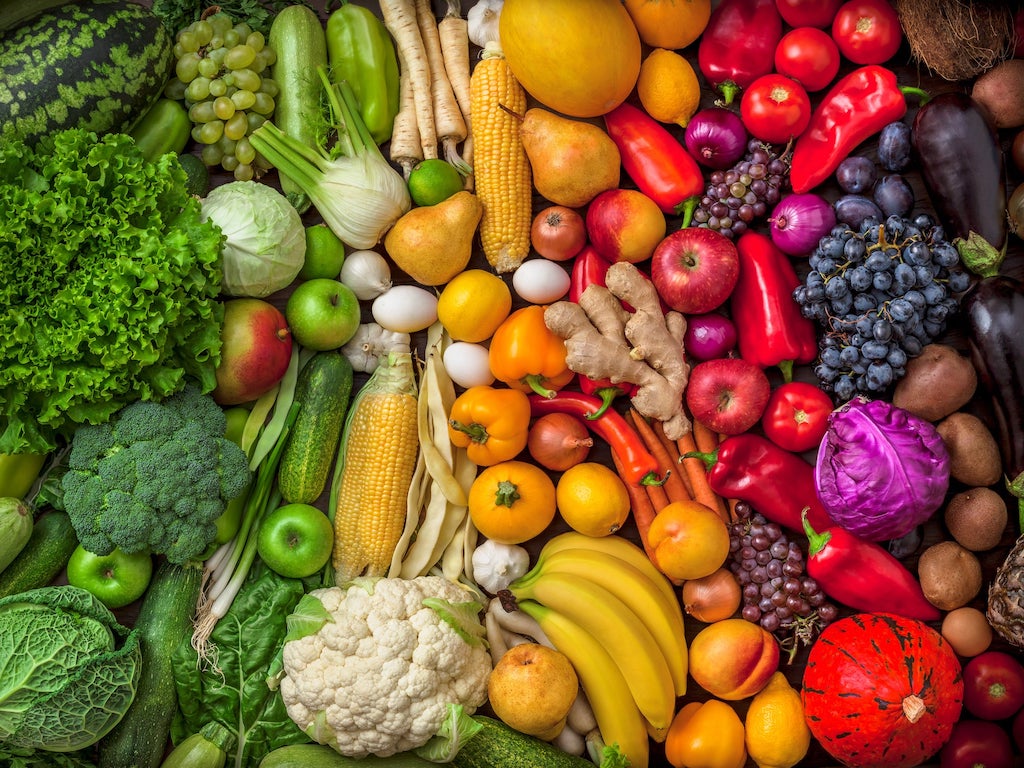
Plants and Flowers: Certain plants and flowers possess pigments that can be used to create stunning natural colors. For instance, saffron threads impart a golden yellow shade, hibiscus flowers create a lovely crimson color, and butterfly pea flowers provide a captivating blue hue.
Remember to harness the power of these common sources of natural colors to create visually appealing and appetizing dishes that will leave a lasting impression on your taste buds.
Application of Natural Colors in Food
Natural colors are widely used in the food industry to enhance the visual appeal of various products. From vibrant reds and yellows to earthy greens and browns, these colors are derived from natural sources such as fruits, vegetables, and spices. By incorporating natural colors into food, manufacturers can create visually appealing and appetizing products that are also free from synthetic additives.
One common application of natural colors is in the production of beverages. Companies often use natural coloring agents extracted from fruits like berries or citrus fruits to give their drinks an enticing and refreshing appearance. For example, a vibrant red color obtained from beets can be used to enhance the visual appeal of fruit juices, creating an appealing and natural-looking product.
Another area where natural colors play a significant role is in the production of confectionery and desserts. Bright and eye-catching colors are often associated with sweet treats, and natural colors provide a safe and appealing alternative to artificial food dyes. For instance, turmeric can be used to create a vibrant yellow color in various desserts like custards or puddings, adding both visual appeal and a mild earthy flavor.
Furthermore, natural colors are commonly used in the baking industry to create visually stunning and delicious baked goods. By incorporating natural coloring agents derived from sources like spirulina or matcha powder, bakers can achieve striking green hues in products like macarons or cakes. These natural colors not only enhance the appearance of the final product but also add unique flavors and nutritional benefits.
In conclusion, natural colors have a wide range of applications in the food industry, from beverages to confectionery and baking. By using natural coloring agents, manufacturers can create visually appealing food products that are free from synthetic additives. Incorporating vibrant and captivating natural colors not only enhances the visual experience but also adds exciting flavors and nutritional value to the food we consume.